Bridging Roulette Jargon and Wagering Tactics for Optimal Play in Diverse Digital Environments
Jordan Jenkins · Oct 7, 2026

Bridging Roulette Jargon and Wagering Tactics for Optimal Play in Diverse Digital Environments
Understanding roulette terminology forms the foundation for applying betting approaches across online platforms where rules and interfaces differ by provider and jurisdiction, and data from the Nevada Gaming Control Board shows continued expansion in digital roulette participation through 2026 projections. Observers note that players who grasp terms such as inside bets, outside bets, and house edge calculations connect these concepts directly to sequences like progressive staking systems or flat betting patterns, while digital environments introduce variables including random number generator algorithms and interface layouts that influence execution speed.
Core Roulette Terms and Their Tactical Links
Terms like straight-up bets refer to wagers on single numbers that carry higher payouts but lower probability, whereas column bets cover twelve numbers and align with strategies that seek broader coverage to manage variance over multiple spins. Experts have observed that even-money options including red-black or odd-even connect to wagering tactics such as the Martingale method, which doubles stakes after losses, because these bets allow quicker recovery attempts within the constraints of table limits found in many digital casinos. Research indicates that American roulette variants include a double zero pocket that alters the house edge compared to European formats, and this distinction guides players toward selecting wheels that support specific tactics aimed at minimizing long-term disadvantage.
Additional jargon includes voisins de zero for bets covering numbers near the zero pocket and orphelins for isolated segments, terms that map onto sector-based wagering tactics used in both automated and streamed digital tables. Those who've studied platform differences note that mobile applications often display these terms through abbreviated icons, requiring users to translate jargon into quick decisions during live rounds, and figures from the Alcohol and Gaming Commission of Ontario reveal rising mobile roulette traffic that demands faster integration of terminology with real-time staking choices.
Adapting Strategies Across Platform Types
Digital environments encompass RNG-driven games on desktop sites, live dealer streams with physical wheels, and app-based versions optimized for touch interfaces, each presenting distinct execution challenges for the same underlying tactics. Progressive systems require consistent bet sizing after outcomes, yet interface delays or confirmation prompts in some apps can interrupt sequences, while live dealer formats introduce human pacing that affects timing. Data shows that players who master terms such as en prison or la partage rules apply them to reduce effective house edges in European-style digital offerings, and these adjustments prove relevant when operators update rule sets around October 2026 in response to regulatory shifts.
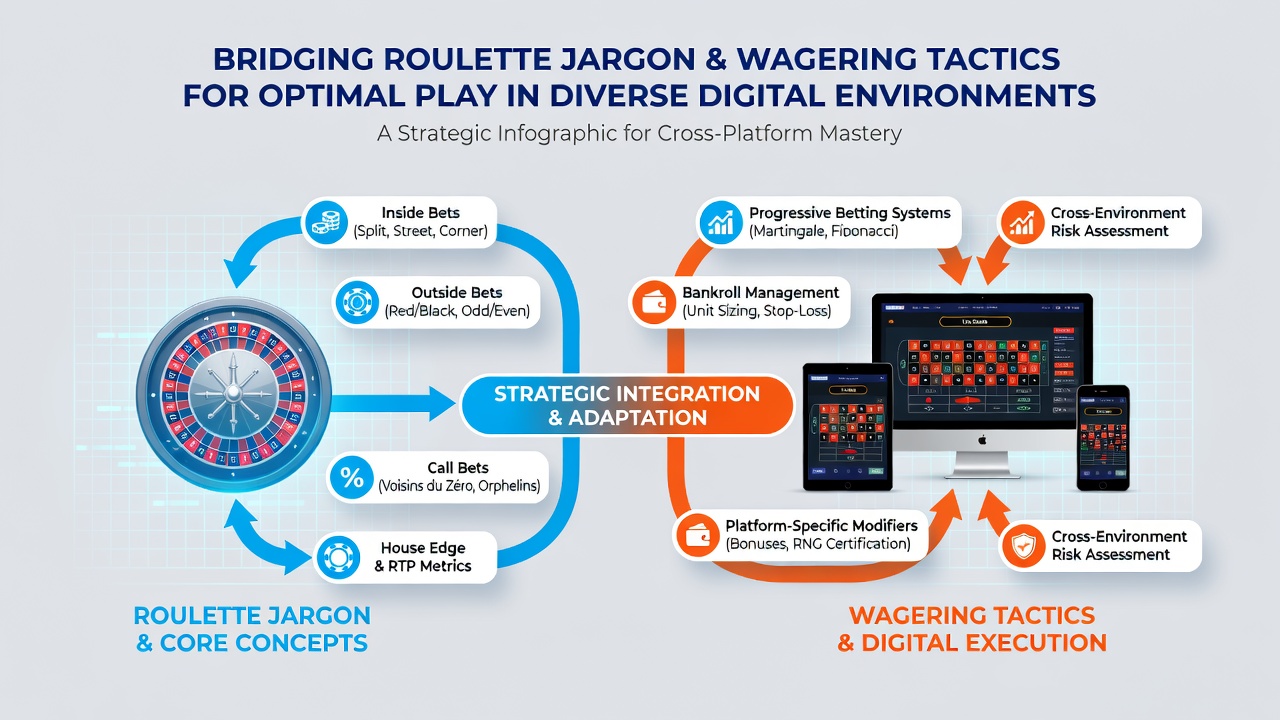
What's notable is how sector betting terminology translates across formats because covering specific wheel segments remains consistent whether accessed through a browser or dedicated software, and industry reports from the Australian Communications and Media Authority highlight growth in cross-device play that rewards familiarity with both classic and localized terms. Observers note that flat betting approaches, which maintain steady wager amounts, pair well with outside bet terminology in high-volatility digital sessions where session length varies by user preference and connection stability.
Integrating Jargon into Execution in Varied Settings
Players encounter split bets, street bets, and corner bets as building blocks that combine into larger tactical frameworks, and these combinations appear in strategy guides tied to specific digital operators who publish payout tables alongside their game rules. Research from university-affiliated gambling studies demonstrates that comprehension of payout ratios directly informs risk allocation within betting systems, allowing participants to adjust for platform-specific features such as autoplay functions or quick-bet buttons. Terms like voisins and tiers du cylindre guide coverage of wheel sections that some digital interfaces highlight through color-coded grids, reducing the cognitive load when applying multi-spin tactics.
Yet platform diversity means users must verify how each environment renders standard terminology because some apps localize labels or compress grids for smaller screens, and this adaptation affects the seamless transfer of wagering sequences. Figures reveal steady increases in regulated digital roulette across multiple regions, underscoring the value of bridging vocabulary with practical application to maintain consistency regardless of access method.
Conclusion
Terminology and tactics intersect most effectively when players map specific phrases onto platform mechanics, enabling consistent application of approaches from simple even-money progressions to complex sector strategies in environments that range from desktop RNG tables to mobile live streams. Data continues to track expansion in these digital spaces through late 2026, supporting the ongoing relevance of precise language for informed participation across jurisdictions and device types.